

A large percentage of homeowners never realize how much money is left out of their insurance estimate until repairs actually begin. That is exactly why Hail Damage Claim Supplements: What Carriers Miss in Their Scope has become one of the most important conversations in the Texas property claims world. The initial estimate is not always the final answer. In many cases, it is only the starting point. After major hailstorms, carriers move fast. Really fast. Adjusters inspect dozens of properties weekly. That speed often creates gaps in the scope of damage. Missing line items. Incomplete measurements. Overlooked code upgrades. Incorrect pricing. The result? Homeowners receive estimates that may not fully cover the real cost of repairs.
I have seen it repeatedly. A roof replacement starts, materials are removed, and suddenly additional damage appears everywhere. Flashing problems. Rotten decking. Damaged vents. Missing underlayment. None of it included in the original carrier estimate. That is where supplements become critical. For property owners in Rosenberg and throughout Texas, understanding supplements can dramatically change the outcome of a claim. Especially when Xactimate expertise is involved.
What Is a Hail Damage Claim Supplement?
A supplement is an additional request for payment submitted after reviewing or expanding the original insurance estimate. Simple concept. Huge impact. Insurance estimates are built from visible observations during the first inspection. But roofing systems are complex. Exterior systems overlap. Damage is not always obvious from ground level or quick inspections. Supplements exist to correct that problem.
A Supplement Is Not “Extra Money”
This part matters. Many homeowners wrongly assume supplements are some kind of negotiation trick. They are not. A proper supplement simply addresses legitimate costs omitted from the original scope.
That can include:
- Missing roofing components
- Incorrect measurements
- Labor shortages
- Code-required upgrades
- Hidden damage discovered during repairs
- Pricing discrepancies
- Safety-related charges
The goal is accuracy. Nothing more.
Why Initial Carrier Scopes Often Miss Damage
Insurance carriers handle massive claim volumes after hail events. That creates pressure across the entire process. Inspectors are expected to move quickly. Files need to close fast. Estimates are often written under time constraints. That environment naturally creates missed items.
High Claim Volume Creates Fast Inspections
After Texas hailstorms, carriers may process thousands of claims within weeks. Think about the math. If an adjuster is inspecting several roofs daily, how much time is realistically spent on every component of a property? Not enough in many cases. This is especially true in areas like Rosenberg where hailstorms can affect entire neighborhoods simultaneously.
Surface-Level Inspections Miss Hidden Problems
Some inspections focus mainly on shingles. But roofing systems involve much more than shingles alone.
A complete inspection should evaluate:
| Roofing Component | Why It Matters |
| Flashing | Prevents water intrusion |
| Ridge vents | Controls attic ventilation |
| Drip edge | Protects roof perimeter |
| Pipe jacks | Common leak locations |
| Underlayment | Secondary moisture barrier |
| Gutters | Functional hail damage |
| Soft metals | Often show clear impact evidence |
When these systems are ignored, estimates become incomplete.
Complex Roof Systems Require More Experience
Not all roofs are simple architectural shingles.
Some homes include:
- Metal roofing systems
- Tile roofing
- Multiple slopes
- Steep pitch elevations
- Commercial roofing components
- Skylights
- Solar integrations
- Custom flashing systems
These systems require technical understanding. One overlooked item can create thousands of dollars in missing scope.
Understanding Xactimate and Why It Matters
If you have been involved in property claims before, you have probably heard the term Xactimate. It is the industry-standard estimating platform used by carriers, contractors, and public adjusters.
But here is the key point most homeowners miss:
Xactimate is only as accurate as the person writing the estimate. That is everything.
What Xactimate Actually Does
Xactimate creates line-by-line repair estimates using regional pricing databases.
It calculates:
- Material costs
- Labor costs
- Equipment charges
- Tear-off pricing
- Waste calculations
- Specialty labor rates
The software itself is powerful. But expertise matters more than software. A poorly written Xactimate estimate still produces a poor scope.
Why Xactimate Expertise Changes Claim Outcomes
This is where many supplement disputes begin. Two people can inspect the same property and produce dramatically different Xactimate estimates.
Why?
Because experience affects:
- Scope completeness
- Proper line item selection
- Measurement accuracy
- Code requirement identification
- Labor categorization
- Safety charges
- Material matching considerations
A knowledgeable estimator understands how roofing systems function together. They know what should be included and what carriers commonly overlook. That expertise directly affects settlement values.
Common Errors Found in Carrier Xactimate Estimates
Some omissions appear repeatedly across hail claims.
Here are several examples frequently discovered during supplement reviews:
| Commonly Missed Item | Why It Gets Overlooked |
| Starter shingles | Hidden during inspection |
| Ridge cap | Often underestimated |
| Drip edge | Not visible from ground |
| Ice and water barrier | Underlayment not exposed |
| Steep charges | Safety costs ignored |
| Valley metal | Missed during quick inspections |
| Flashing replacement | Assumed reusable |
| Detach and reset items | Accessory systems overlooked |
One missing line item may seem small. Combined together, they create substantial underpayment problems.
Roofing Components Frequently Left Out of Hail Damage Scopes
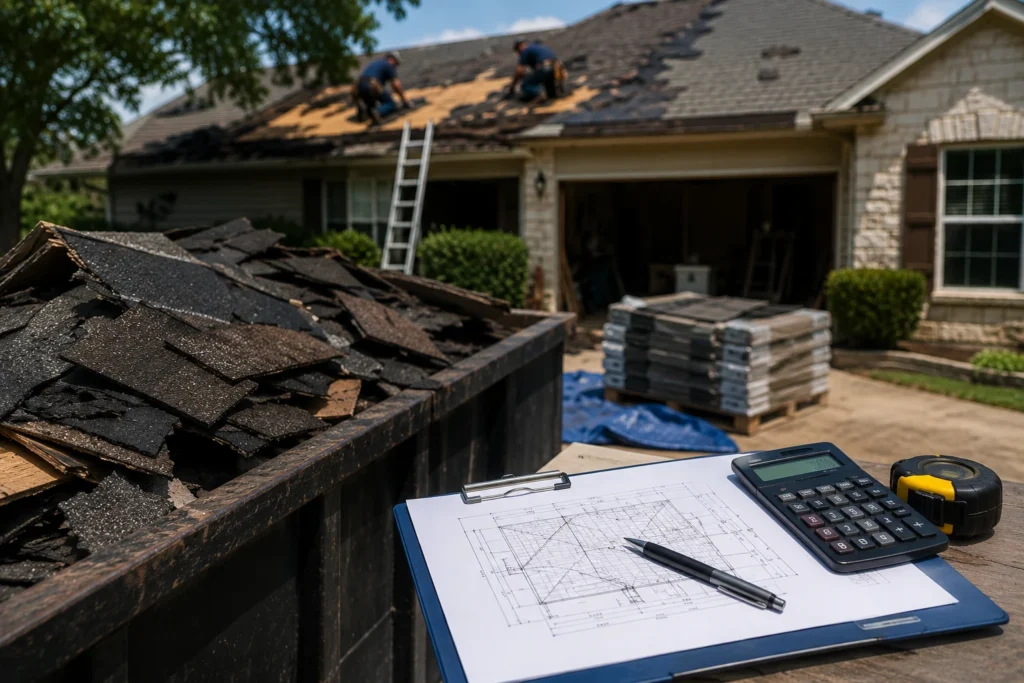
Supplements often uncover entire categories of missing work. And it happens constantly.
Starter Strips
Starter strips help secure shingles along roof edges and prevent wind uplift. Many estimates omit them entirely. Problem is, proper roof replacement usually requires new starter material. Without it, installation quality suffers.
Ridge Vents
Ridge vents regulate attic airflow and affect overall roof performance. If damaged during replacement or impacted by hail, they may require replacement too. Yet they are often excluded from original scopes.
Pipe Jack Flashing
Pipe jacks are notorious leak points. Hail damage or removal during roofing work frequently requires replacement. Reusing deteriorated flashing creates long-term risk. Still, many initial estimates treat them as reusable components.
Valley Metal
Valleys channel massive amounts of water runoff. Damage there matters. A lot. Valley metal replacement is commonly missed because it is partially hidden beneath shingles.
Drip Edge
Texas code and manufacturer requirements frequently require drip edge installation or replacement. But older roofs may not originally have it installed. That creates supplement disputes during replacement.
Steep and High Charges Matter More Than People Realize
Roofing safety affects labor pricing. A steep roof dramatically increases installation difficulty and risk exposure. That changes labor requirements.
Why Steep Charges Exist
Steeper roofs require:
- Additional harness systems
- Slower installation pace
- More labor intensity
- Increased safety measures
- Specialized equipment
These charges are legitimate operational costs. Yet they are frequently minimized or omitted in initial carrier estimates.
Detach and Reset Items Are Commonly Missed
Modern homes include more exterior systems than ever before. That creates complexity during roof replacement projects.
Common Detach and Reset Items
- Solar panels
- Satellite dishes
- Security cameras
- HVAC line covers
- Patio structures
- Fencing obstructions
These items may need temporary removal to complete repairs safely. If detach and reset operations are excluded from the estimate, contractors face unpaid labor burdens.
Gutters and Downspouts Often Get Undervalued
Gutters are another major supplement battleground. Why? Because hail damage is not always limited to punctures. Functional denting matters too.
Functional Damage vs Cosmetic Damage
Carriers sometimes classify gutter dents as cosmetic. But severe impact damage may affect:
- Water flow
- Structural integrity
- Attachment strength
- Drainage performance
Matching also becomes an issue. If replacement materials are unavailable, partial repairs can create visible inconsistencies across the property.
Soft Metals Tell the Story of the Storm
Soft metals are critical during hail inspections. They often provide the clearest evidence of storm impact.
Examples include:
- Roof vents
- Window screens
- Downspouts
- AC condenser fins
- Garage door panels
- Mailboxes
These components help establish storm severity and directional impact. Yet many initial scopes either undercount or ignore them completely.
Interior Damage Is Sometimes Discovered Late
Not every hail claim stops at the roof. Water intrusion can affect interior spaces too. And those damages may appear weeks later.
Common Interior Damage From Roof Leaks
| Interior Area | Potential Damage |
| Ceilings | Water staining |
| Drywall | Swelling and cracking |
| Insulation | Moisture retention |
| Flooring | Warping |
| Attics | Mold growth |
| Paint | Bubbling and peeling |
Initial inspections do not always identify slow-developing moisture issues. Supplements frequently address these secondary damages later in the claim process.
Building Code Upgrades Change Claim Values
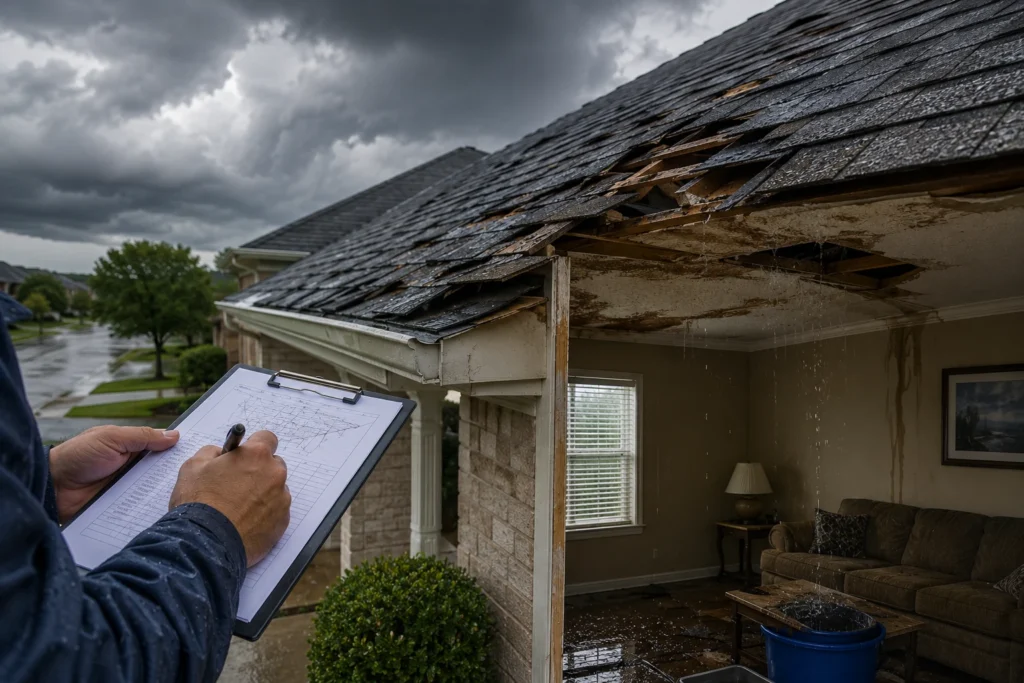
Building codes evolve constantly. Roofing systems installed 15 years ago may not meet current standards today. That matters during replacement.
Why Code Compliance Is Important
Contractors cannot legally ignore applicable code requirements simply because the old roof lacked them.
Some common code-related supplement items include:
- Drip edge installation
- Enhanced fastening patterns
- Ice and water barriers
- Ventilation improvements
- Underlayment upgrades
These items can significantly affect project pricing.
Ordinance and Law Coverage Matters
Many policies include Ordinance and Law coverage.
This coverage may help pay for code-required upgrades during repairs.
But homeowners rarely understand how it works.
And unfortunately, some estimates fail to fully account for those additional costs upfront.
That creates another major supplement category.
Matching Problems Create Bigger Disputes
Partial repairs sound simple on paper. In reality? They often create serious problems.
The Challenge With Spot Repairs
Roofing materials weather over time. Sun exposure changes color. Granules age differently. Manufacturers discontinue product lines. Trying to replace a small section of older roofing may create obvious visual inconsistencies.
That affects:
- Property appearance
- Market value
- Neighborhood standards
- HOA concerns
Discontinued Materials Complicate Repairs
This happens often after large storms. A carrier approves partial replacement, but matching materials no longer exist. Now what? That situation frequently leads to supplement negotiations for full replacement.
Documentation Is Everything in Supplements
Strong supplements rely on evidence. Not emotion. The better the documentation, the stronger the negotiation position.
Best Practices for Photo Documentation
Effective claim documentation should include:
- Wide-angle roof elevation photos
- Close-up hail impact shots
- Collateral damage images
- Interior moisture photos
- Date-stamped inspections
- Measurement records
Organization matters too. Random photos without labeling create confusion. Clear documentation creates leverage.
Weather Reports Strengthen Causation
Storm verification reports can support claim legitimacy.
These reports may include:
- Hail size data
- Wind speeds
- Storm timing
- Radar tracking
- Impact zones
Combined with physical damage evidence, weather data helps establish causation. This becomes especially valuable during disputed claims in Rosenberg where multiple storm events may overlap over time.
Contractor Reports Can Reveal Missed Scope
Roofing contractors often identify issues overlooked during initial inspections. Especially once tear-off begins.
Hidden Damage Commonly Found During Tear-Off
- Rotten decking
- Saturated underlayment
- Ventilation deficiencies
- Improper flashing
- Moisture intrusion
- Structural deterioration
Once exposed, these conditions become supplement items. That is normal. Not unusual.
How Public Adjusters Use Supplements Strategically
Experienced public adjusters approach supplements methodically. Every line item needs support. Every omission needs evidence.
The Process Usually Includes
- Full property reinspection
- Scope comparison analysis
- Photo documentation
- Xactimate estimate revision
- Supporting contractor documentation
- Carrier negotiation
It is a technical process. Not a guessing game.
Negotiation Is About Evidence
Strong supplement negotiation is not emotional.
It is documentation-driven.
The goal is simple:
Show why omitted items are necessary and supported by repair requirements, code obligations, or documented damage. That is where detailed Xactimate expertise becomes incredibly valuable. Accurate claim analysis sometimes requires the same level of layered evaluation seen in concepts like Topological quantum field theory, where multiple interconnected variables affect the final outcome.
Supplements Help Prevent Out-of-Pocket Costs
This is the part homeowners care about most. Rightfully so. If critical repairs are excluded from the claim, someone eventually pays the difference. Usually the homeowner. Supplements help close those financial gaps.
Red Flags That Suggest Your Claim Is Underscoped
Some warning signs appear repeatedly in underpaid hail claims.
Extremely Low Estimates
If multiple contractors say repairs cost significantly more than the carrier estimate, that deserves attention. Especially if material pricing seems unrealistic.
Missing Roof Accessories
A scope listing only shingles with minimal accessory replacement often signals incomplete evaluation.
Generic Repair Language
Vague estimates create problems later. Specific line items matter.
Carrier Refusal to Reinspect
A refusal to review additional evidence may indicate deeper claim disputes ahead. Homeowners should also understand that supplements are closely connected to broader claim disputes. In many situations, missing line items, incomplete scopes, or unsupported carrier conclusions become part of larger conversations about What to Do If Your Hail Claim Was Denied in Texas. Strong documentation, accurate Xactimate estimating, and detailed repair evidence often play a major role in reopening discussions and strengthening the homeowner’s position.
Understanding the Supplement Timeline
Supplements can occur at several stages of the project.
Before Repairs Begin
This is ideal. Reviewing scope discrepancies early helps avoid delays.
During Tear-Off
Hidden damage often appears once roofing materials are removed. That is extremely common.
After Additional Damage Discovery
Interior leaks or structural issues sometimes emerge later in the process. Additional supplements may follow.
Fast Action Matters
Waiting too long can create complications.
Delays may lead to:
- Additional water damage
- Lost evidence
- Documentation problems
- Contractor scheduling issues
The earlier scope deficiencies are identified, the smoother the claim process becomes.
Common Homeowner Mistakes During Supplements
Many homeowners unintentionally weaken their own claim position.
Starting Repairs Too Early
Premature repairs may destroy evidence before documentation occurs. That creates major claim complications.
Throwing Away Damaged Materials
Physical evidence matters. Discarded materials eliminate inspection opportunities.
Accepting the First Estimate Immediately
Initial estimates are not automatically final or complete. They should be reviewed carefully.
Failing to Read the Policy
Policy language affects:
- Replacement cost rights
- Ordinance and Law coverage
- Matching issues
- Deductible calculations
- Depreciation recovery
Understanding those details changes claim strategy.
When Appraisal May Become Necessary
Some supplement disputes eventually escalate. When negotiations stall, appraisal may become an option.
What Appraisal Involves
Most appraisal processes include:
| Participant | Role |
| Policyholder appraiser | Represents homeowner valuation |
| Carrier appraiser | Represents insurer valuation |
| Neutral umpire | Resolves disagreements |
Appraisal typically addresses pricing and scope disputes rather than outright coverage denials.
Accurate Scoping Still Matters During Appraisal
Even in appraisal, documentation remains critical. Weak scopes create weak positions. Detailed Xactimate estimates supported by photos, measurements, contractor reports, and code references strengthen outcomes significantly.
Contractor Pricing vs Carrier Pricing: Why the Numbers Often Differ
One of the biggest frustrations homeowners experience during hail claims is seeing two completely different numbers for the same project. The carrier estimate may say the roof replacement should cost one amount, while the contractor says the real-world cost is much higher. Homeowners immediately feel stuck in the middle. Confused. Frustrated. Sometimes even suspicious of both sides. In reality, pricing gaps happen for several legitimate reasons.
Real-World Labor Conditions Change Constantly
Roofing labor is not static. After major storms, labor demand spikes aggressively across Texas. Crews become harder to schedule. Material delivery slows down. Equipment costs rise. Dump trailer pricing increases. Fuel costs fluctuate. Safety requirements expand.
All of those variables affect actual project pricing. Yet some carrier estimates may rely on pricing databases that do not fully reflect sudden catastrophe conditions in real time. That creates a disconnect between theoretical pricing and actual contractor availability.
Waste Calculations Can Be Incorrect
Waste calculations sound minor until they are not.
Roof replacements require additional material beyond simple square footage totals because shingles must be cut around:
- Valleys
- Hips
- Ridges
- Dormers
- Skylights
- Chimneys
- Roof penetrations
Complex roofs generate more waste. If the waste factor is underestimated, material shortages occur during installation. Contractors then must reorder materials, creating additional delays and costs that were never included in the original scope.
Multi-Story Homes Create Additional Labor Demands
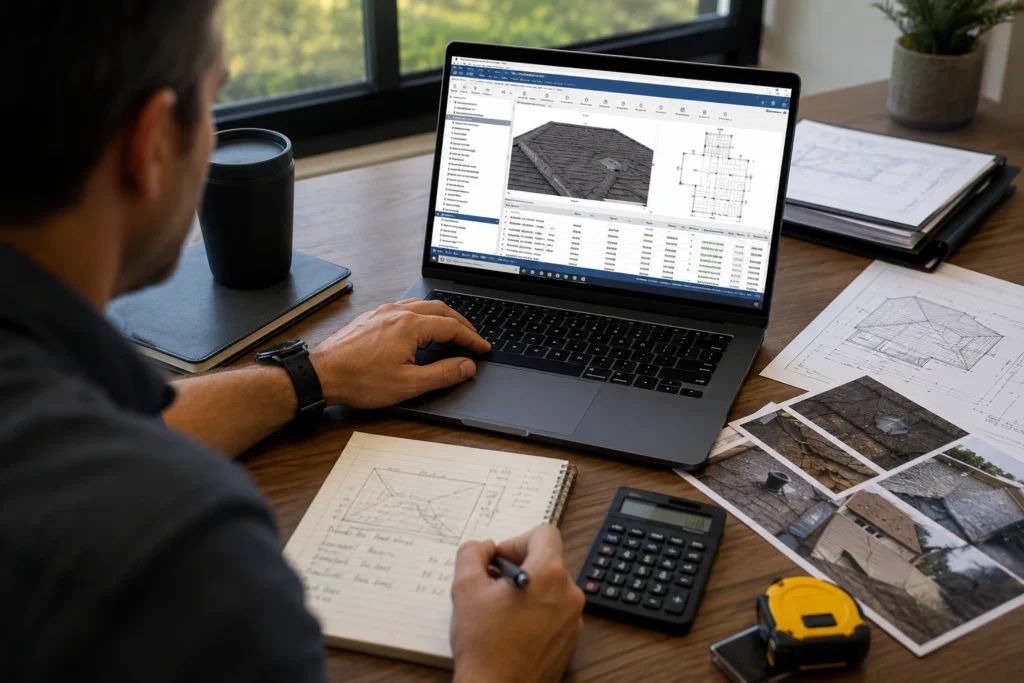
Two-story and steep-slope homes significantly affect labor difficulty. Workers move slower. Material loading becomes harder. Safety equipment requirements increase. Tear-off becomes more dangerous.
These factors are not optional operational issues. They directly affect project costs. A highly experienced estimator understands how these conditions impact production rates inside Xactimate. Less experienced estimators may miss those adjustments entirely.
The Hidden Financial Impact of Underscoped Claims
Many homeowners assume small estimate differences are not a major issue. But underscoped claims can snowball quickly once repairs begin.
Let’s say an estimate misses:
- Flashing replacement
- Steep charges
- Ridge vent replacement
- Detach and reset operations
- Additional underlayment
- Code-required drip edge
Individually, each item may seem manageable. Combined together? The difference can become several thousand dollars.
That shortfall creates difficult decisions for homeowners.
Some delay repairs entirely. Others approve incomplete work just to stay within budget. Some contractors cut corners to match underpaid scopes. None of those outcomes are good. Complete claim scoping protects the long-term integrity of the property.
Why Communication Breakdowns Hurt Claims
Another major issue during supplement negotiations is communication failure. Homeowners often feel overwhelmed because they are balancing multiple parties at once:
| Party Involved | Primary Focus |
| Insurance carrier | Claim management |
| Adjuster | Inspection and estimate |
| Contractor | Repairs and scheduling |
| Public adjuster | Claim advocacy |
| Homeowner | Financial protection |
Without organized communication, important details fall through the cracks. Emails go unanswered. Documents get lost. Supplement requests stall. Reinspection delays grow longer. This is why organized documentation systems matter so much during hail claims. Keeping records of every inspection, estimate revision, email, invoice, and photo can dramatically improve supplement efficiency.
Recoverable Depreciation Creates Confusion Too
Many homeowners misunderstand depreciation during roof claims. Here is the simple version. Insurance carriers may initially withhold part of the claim payment as recoverable depreciation. Those funds are typically released after repairs are completed and documentation is submitted.
But problems happen when the original scope itself is incomplete. If major repair items were never included upfront, the recoverable depreciation calculation may also be too low. That compounds the underpayment issue even further. This is another reason why detailed supplement review matters before projects begin.
Why Detailed Roof Measurements Matter
Accurate roof measurements are foundational to claim accuracy. Small mistakes create major pricing problems.
A roof measurement error affects:
- Material quantities
- Labor totals
- Waste calculations
- Ridge measurements
- Valley calculations
- Drip edge totals
- Underlayment requirements
Modern estimating tools help improve measurement precision, but they still require human verification. Complex roof layouts in Rosenberg neighborhoods sometimes include multiple elevations, detached structures, patio covers, and custom additions. Those details must be accounted for correctly inside the estimate.
Choosing the Right Professional Support
Not all claim professionals serve the same role. Understanding the differences matters.
Roofing Contractors
Contractors focus on repair execution. They identify damage and estimate repair costs.
Public Adjusters
Public adjusters focus on claim representation and negotiation.
That includes:
- Scope analysis
- Documentation review
- Policy interpretation
- Supplement negotiation
- Carrier communication
Both roles can be valuable during complex hail claims.
Why Xactimate Expertise Is Critical
This entire conversation ultimately comes back to one thing: Accuracy. The difference between a weak supplement and a strong supplement often comes down to technical estimating knowledge.
That includes:
- Correct line item selection
- Proper labor allocation
- Regional pricing understanding
- Code requirement identification
- Roofing system expertise
- Documentation quality
Without that expertise, important costs may remain excluded.
Questions Homeowners Should Ask Before Hiring Help
Before hiring a claim professional, ask practical questions.
Important Questions Include
- How much supplement experience do you have?
- Do you write Xactimate estimates directly?
- Have you handled Texas hail claims before?
- How do you document omitted damage?
- How do you support code upgrades?
- What is your supplement process?
The answers reveal a lot.
Why Supplements Matter So Much in Texas Hail Claims
Texas experiences some of the most aggressive hail activity in the country. That creates constant claim pressure across the insurance industry. In cities like Rosenberg, large hail events can affect thousands of homes within hours. Fast-moving catastrophe response systems are not always built for detailed property analysis.
That is exactly why Hail Damage Claim Supplements: What Carriers Miss in Their Scope has become such an important issue for homeowners trying to fully restore their properties. A complete scope matters. A lot.
Final Thoughts
The first insurance estimate is not always the complete story. Sometimes it is missing critical roofing components. Sometimes it overlooks code upgrades. Sometimes labor pricing is inaccurate. Sometimes entire categories of damage are omitted completely. That is why supplements exist. And when handled properly, supplements help align claim payments with real-world repair requirements. For homeowners navigating storm claims in Rosenberg, understanding how supplements work can prevent serious financial gaps during repairs. Especially when roofing systems, code compliance, and hidden damages become part of the conversation.
FAQs
A supplement is an additional request for payment that addresses missing or underestimated repair items in the original insurance estimate.
High claim volume, fast inspections, and limited roof access can lead to overlooked damage and incomplete estimates.
Xactimate is estimating software used to calculate repair costs for roofing, exterior damage, labor, and materials.
Yes. Damage discovered during tear-off or repairs is often submitted as part of a supplement request.
Yes. Supplements are very common because initial inspections frequently miss roofing components, code upgrades, and labor costs.
Starter shingles, flashing, ridge vents, drip edge, and steep roof charges are often missed in initial scopes.
Many policies include Ordinance and Law coverage, which may help pay for required building code upgrades.
Yes. Homeowners can submit additional documentation, contractor reports, and revised Xactimate estimates to support supplements.
A public adjuster may help when claims are underpaid, delayed, disputed, or missing major repair items.