
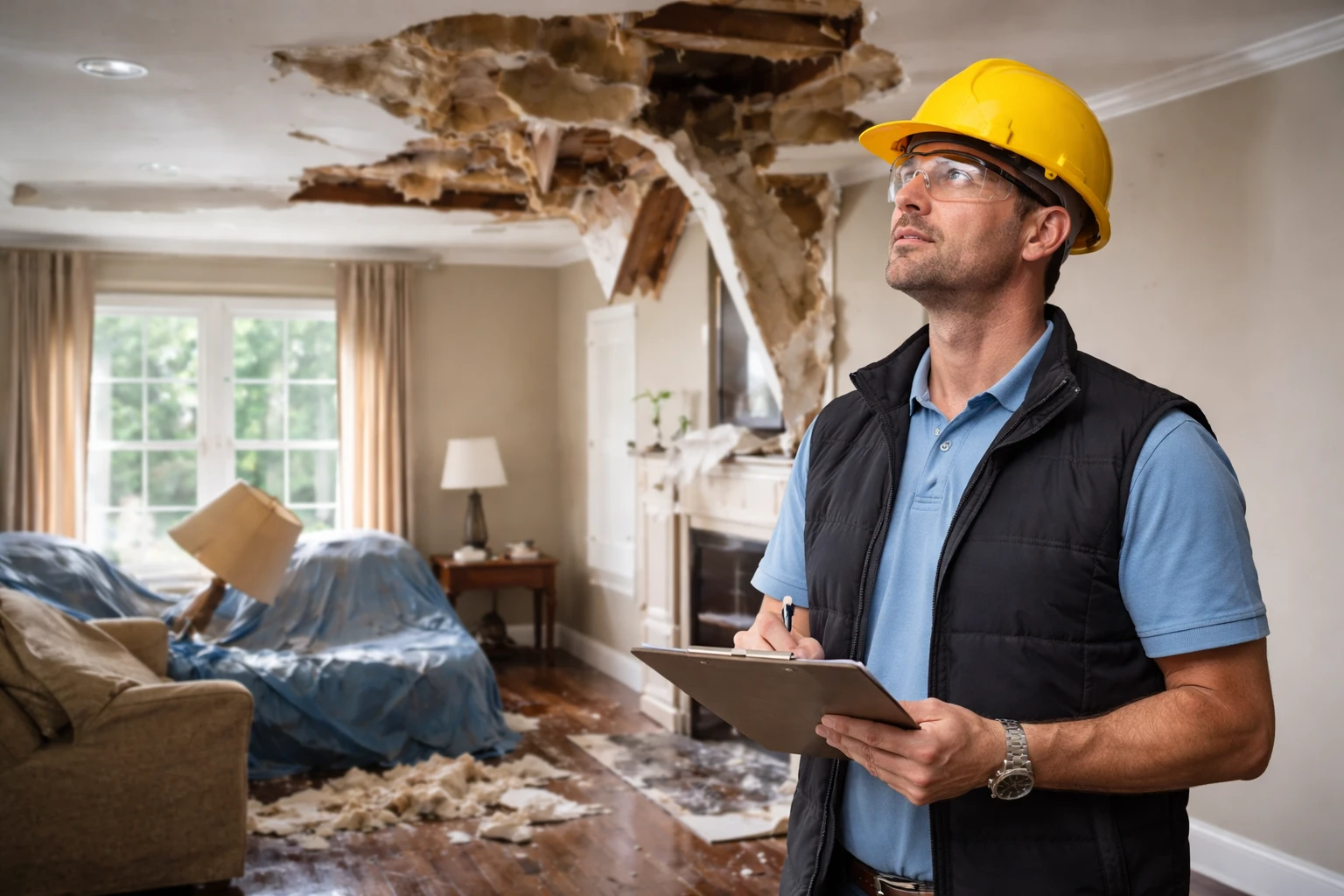
Insurance claims feel simple—until they aren’t. One minute you’re filing paperwork. The next, you’re buried in estimates, delays, and confusing policy language. That’s exactly why understanding when to call a public adjuster matters more than most homeowners realize. Timing isn’t just important—it can directly affect how much money you receive and how smoothly your claim moves forward.
Let’s break this down clearly, practically, and without fluff.
What a Public Adjuster Actually Does (And Why It Matters)
A public adjuster works for you. Not the insurance company. Not a contractor. You.
Their role is straightforward, but powerful. They step in to handle the claim from a technical and negotiation standpoint, ensuring nothing is missed and nothing is undervalued.
Here’s what they handle:
- Inspecting and documenting property damage
- Reviewing your insurance policy in detail
- Estimating the true cost of repairs
- Filing or managing your claim
- Negotiating directly with the insurance company
Think of them as your advocate in a process that often feels one-sided.
And yes—this becomes critical depending on when to call a public adjuster.
Why Timing Can Make or Break Your Claim
Here’s the truth most homeowners don’t hear early enough: insurance claims are built on documentation, timing, and positioning.
If you act too late, damage evidence may fade. If you accept an early offer too quickly, you may leave money on the table. And if you misunderstand your policy, you might miss coverage entirely.
Calling at the right time changes everything.
The earlier you understand when to call a public adjuster, the more control you have over your claim outcome.
7 Clear Signs You Should Call a Public Adjuster Immediately
Let’s get practical. These are the moments where waiting can cost you—literally.
1. Your Claim Has Been Denied
A denial doesn’t always mean the end. It often means the claim wasn’t presented properly or lacked sufficient documentation.
A public adjuster can:
- Reassess your claim
- Identify missed coverage
- Reopen and resubmit with stronger evidence
This is one of the most important times to understand when to call a public adjuster—right after a denial.
2. The Settlement Offer Feels Too Low
If your gut says something is off, it probably is.
Insurance companies may:
- Overlook hidden damage
- Use lower repair estimates
- Limit scope to reduce payout
A public adjuster can uncover what’s missing and push for a more accurate settlement.
3. You’re Dealing With Major Property Damage
Big damage means complex claims. Fire, water, storm, or roof collapse—these situations require detailed documentation and negotiation.
The larger the claim, the more valuable professional representation becomes.
4. You Don’t Fully Understand Your Policy
Let’s be honest. Most policies are dense and confusing.
Key details often buried in the fine print:
- Coverage limits
- Exclusions
- Depreciation rules
- Replacement cost vs actual cash value
A public adjuster translates this into plain English—and uses it to your advantage.
5. The Insurance Company Is Slow or Unresponsive
You’ve called. You’ve emailed. You’re waiting.
And waiting.
Delays are frustrating. They also stall repairs and increase stress.
Public adjusters push claims forward. They follow up, escalate, and keep things moving.
6. You’re Overwhelmed or Too Busy
Claims take time. A lot of it.
Between work, family, and daily life, managing a detailed claim becomes exhausting. Mistakes happen when you’re rushed or distracted.
A public adjuster removes that burden completely.
7. There’s Disagreement About the Damage
This happens often.
The insurance company says the damage is minor. You know it’s not.
Without proper documentation, your position is hard to prove.
A public adjuster builds a clear, evidence-backed case that supports your claim.
When NOT to Call a Public Adjuster
Not every situation requires one. Let’s be real.
You may not need a public adjuster if:
- The damage is minor and below your deductible
- Your claim is approved quickly and fairly
- The repair process is straightforward
Hiring help in these cases may not add much value.
But once complexity increases, the equation changes fast.
Best Time to Call a Public Adjuster (Timing Breakdown)
This is where strategy comes in. Let’s look at how timing affects outcomes.
| Timing | Advantages | Limitations |
| Immediately after damage | Strong documentation, full control | May feel overwhelming initially |
| After filing claim | Still effective, correct early mistakes | Some damage may be missed |
| After low offer | Opportunity to renegotiate | Requires rework |
| After denial | Can reopen claim | More complex process |
The earlier you act, the better your position.
That’s the core lesson behind when to call a public adjuster.
What Happens After You Call a Public Adjuster
Let’s walk through the process so you know exactly what to expect.
Step-by-step:
- Initial Consultation
You explain the situation. They assess if they can help. - Property Inspection
A detailed evaluation of all visible and hidden damage. - Policy Review
They analyze your coverage line by line. - Documentation and Estimation
Photos, reports, and cost breakdowns are prepared. - Claim Filing or Takeover
They either file your claim or step into an existing one. - Negotiation Phase
This is where experience matters most. - Final Settlement
The goal is a fair, maximized payout.
Simple steps. Big impact.
Real-Life Scenario: Timing Changes Everything
Let me paint a quick picture.
A homeowner files a water damage claim alone. They receive a $12,000 settlement. It seems reasonable at first.
But repairs reveal deeper structural damage.
Too late?
Not necessarily.
They bring in a public adjuster. The claim is re-evaluated. Additional damage is documented.
Final settlement: $28,000.
That’s the difference timing—and expertise—can make.
Understanding when to call a public adjuster isn’t theoretical. It’s financial.
Common Mistakes Homeowners Make

These mistakes happen all the time. Avoid them.
Watch out for:
- Accepting the first offer without review
- Failing to document damage thoroughly
- Trusting the insurance company to handle everything fairly
- Waiting too long to seek help
Each of these can reduce your final payout.
Benefits of Hiring a Public Adjuster
Let’s keep this grounded in reality.
Key advantages:
- Higher settlements in many cases
- Less stress and time commitment
- Professional claim management
- Stronger negotiation leverage
You’re not just hiring help. You’re leveling the playing field.
How to Choose the Right Public Adjuster in Rosenberg
Not all adjusters are equal. Choose carefully.
Use this checklist:
- Licensed in Texas
- Experience with similar claims
- Strong communication skills
- Clear fee structure
- Positive client reviews
Local experience matters too. Rosenberg properties, weather patterns, and claim trends are unique.
How Much Does It Cost?
Most public adjusters work on a contingency basis.
That means:
- They get paid a percentage of the settlement
- No upfront fees in most cases
- If you don’t get paid, they don’t get paid
For large claims, this structure often makes sense.
Action Plan: What You Should Do Right Now
If you’re dealing with damage or a claim, don’t wait.
Take these steps:
- Document everything with photos and videos
- Review your policy (or have someone do it)
- Avoid accepting early offers without evaluation
- Get a second opinion if something feels off
And most importantly—know when to call a public adjuster before small issues become expensive mistakes.
FAQs
1. When should I call a public adjuster?
Ideally right after damage occurs or if your claim becomes complicated.
2. Can I hire one after filing a claim?
Yes, they can step in at almost any stage of the process.
3. Do public adjusters increase payouts?
In many cases, yes, especially for complex or large claims.
4. Are they worth it for small claims?
Usually not, unless there’s a dispute or denial.
5. How much do they charge?
Typically a percentage of the final settlement.
6. Can they reopen denied claims?
Yes, if there’s valid evidence and coverage.
7. Do they work with contractors?
They often coordinate but remain independent.
8. Is hiring one legal in Texas?
Yes, public adjusters are licensed and regulated.
9. How long does the process take?
It depends on claim complexity, but they often speed things up.
10. Will my insurance company resist?
Sometimes, but experienced adjusters handle that professionally.
Final Thoughts: Timing Is Your Advantage
Here’s the bottom line.
Insurance claims are not just about damage. They’re about timing, strategy, and documentation.
Knowing when to call a public adjuster gives you leverage. It protects your financial outcome. It reduces stress.
And in many cases, it puts thousands of dollars back in your pocket.
If something feels off with your claim—don’t ignore it. Act early. Get clarity. Take control.
That single decision could change everything.
FAQs
The best time is right after property damage occurs or as soon as your claim becomes complex.
Yes, a public adjuster can step in at any stage and take over or assist with your claim.
In many cases, they help identify missed damages and negotiate for a higher payout.
No, they can often reopen and strengthen denied claims with better documentation.
Most work on a contingency basis, taking a percentage of your final settlement.
Yes, public adjusters must be licensed and regulated to operate in Texas.
Not usually, unless there’s a dispute or the claim becomes complicated.
It varies, but they often help streamline communication and reduce delays.
Yes, they manage negotiations and communication so you don’t have to.
Major damage like fire, water, storm, or roof issues are strong reasons to call one.